Electrical Problems Are Safety Problems
Of all the systems in a home, the electrical system is one of the most critical — and one of the most commonly problematic. Electrical issues are a leading cause of house fires, and they often lurk behind walls, inside panels, and in areas most homeowners never look.
At AP Inspections, we inspect homes throughout Steuben, Noble, DeKalb, and LaGrange counties, and electrical findings show up in the majority of our reports. Some are minor. Others are serious safety hazards that require immediate attention. Here are the most common electrical issues we find during home inspections and why each one matters.
Knob-and-Tube Wiring
What It Is
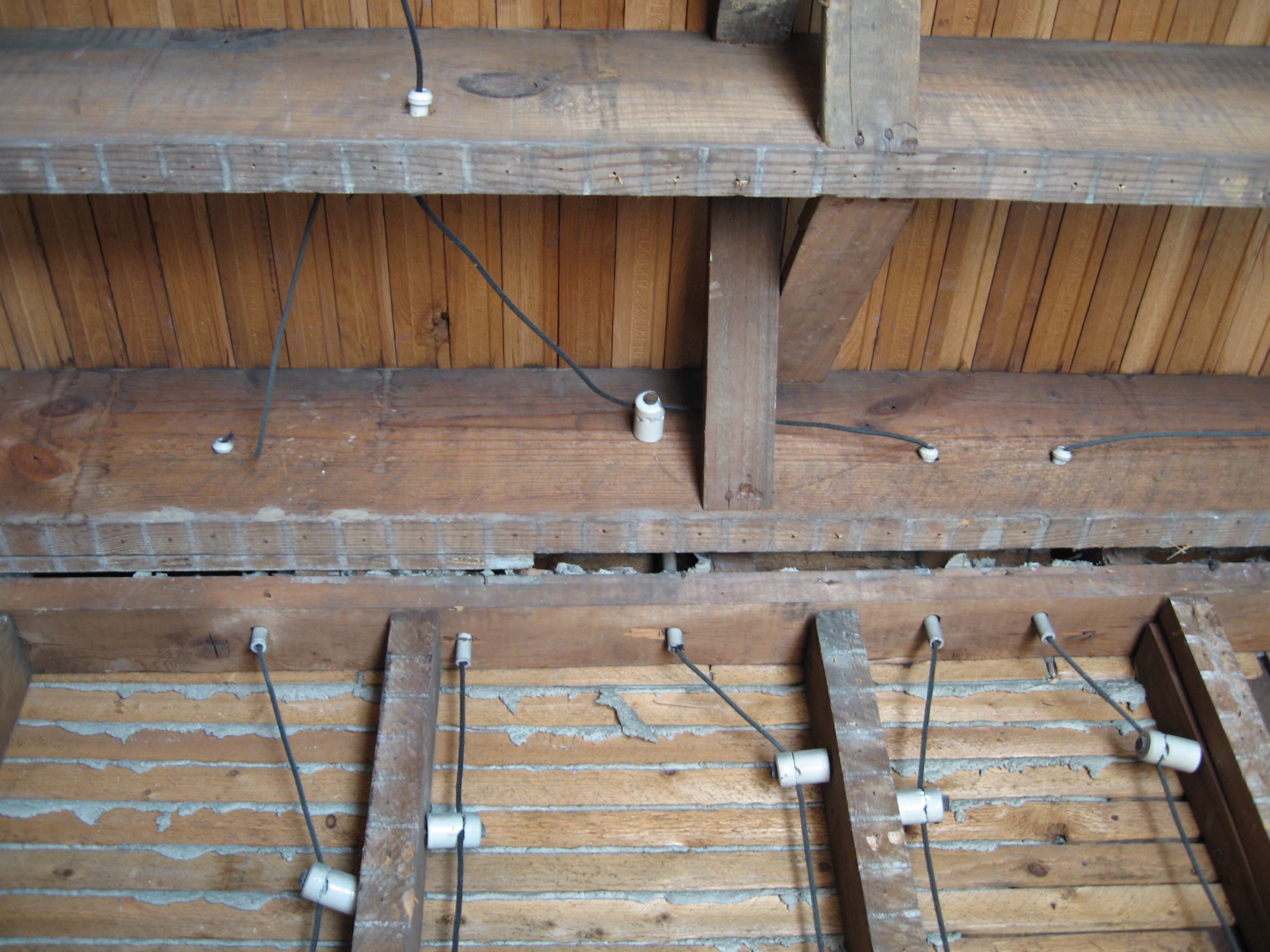
Knob-and-tube wiring was the standard electrical installation method from the 1880s through the 1940s. It uses ceramic knobs to hold individual wires against framing and ceramic tubes to pass wires through joists and studs. The wires themselves are insulated with rubber or cloth.
Where We Find It
We regularly encounter knob-and-tube wiring in older homes in Angola, Kendallville, Garrett, Albion, and other established neighborhoods in northeast Indiana. Many homes built before 1950 originally had knob-and-tube systems, and some still have portions of it in service — sometimes hidden in attics and behind walls.
Why It Matters
Knob-and-tube wiring is not inherently dangerous when properly installed and left undisturbed. The problems arise from:
- Age — The rubber and cloth insulation deteriorates over decades, exposing bare wire
- Insulation contact — Knob-and-tube wiring was designed to dissipate heat into open air. When blown-in insulation covers these wires, they overheat — a significant fire risk
- Modifications — Amateur splices and connections to modern wiring create hazardous junction points
- Capacity — These systems were designed for a few lights and a radio, not modern electrical loads
Many insurance companies will not cover homes with active knob-and-tube wiring, and some lenders may require remediation before closing.
Aluminum Branch Wiring
What It Is
From the mid-1960s through the late 1970s, aluminum wiring was used as a less expensive alternative to copper for branch circuits (the wiring that runs to outlets and switches). This is different from the aluminum wiring used for larger service conductors, which is standard and acceptable.
Why It Matters
Aluminum expands and contracts more than copper when it heats up, which causes connections to loosen over time. Loose connections generate heat, and heat at electrical connections is how fires start. The Consumer Product Safety Commission found that homes with aluminum branch wiring are significantly more likely to have fire hazard conditions at outlets and switches.
What We Look For
- Aluminum wire visible at the electrical panel (marked "AL" on the wire jacket)
- Signs of overheating at outlets and switches — discoloration, melted plastic, warm cover plates
- Improper connections between aluminum and copper wiring without approved connectors
Aluminum wiring does not necessarily need to be completely replaced. Licensed electricians can install approved connectors (such as COPALUM or AlumiConn) at every connection point, which is a safer and less expensive alternative to rewiring.
Overloaded or Undersized Electrical Panels
What It Is
Many older homes in northeast Indiana were built with 60-amp or 100-amp electrical service. At the time, that was sufficient. Today, with central air conditioning, electric water heaters, multiple appliances, and the general demands of modern living, these panels are often pushed beyond their intended capacity.
Common Signs
- Breakers that trip frequently — This is the panel telling you it cannot handle the load
- Double-tapped breakers — Two wires connected to a single breaker that is designed for one (more on this below)
- Full panel with no open slots — No room to add circuits for future needs
- Fuse boxes — While not inherently dangerous, fuse boxes indicate an older system that likely needs upgrading. They also lack the convenience and safety features of modern circuit breakers.
Why It Matters
An overloaded panel creates excessive heat, which damages breakers, wiring, and connections. Over time, this increases the risk of fire. An undersized panel also limits your ability to safely add circuits for renovations, workshops, or electric vehicle charging.
Panel upgrades typically cost between $1,500 and $3,000 depending on the scope of work, and they are one of the most worthwhile electrical investments in an older home.
Missing GFCI Protection
What It Is
Ground Fault Circuit Interrupter (GFCI) outlets are designed to prevent electrical shock. They monitor the flow of current and trip instantly if they detect that current is flowing through an unintended path — like through a person.
Where GFCI Is Required
Current code requires GFCI protection in:
- Bathrooms
- Kitchens (all countertop receptacles)
- Garages
- Unfinished basements
- Outdoor outlets
- Laundry areas
- Areas near pools and hot tubs
What We Find
Many homes — especially those built before the 1990s — lack adequate GFCI protection. We commonly find standard outlets where GFCI outlets should be, particularly in older kitchens, bathrooms, and garages. Some homes in Waterloo, Fremont, and rural areas have outlets within reach of water sources that have never been upgraded.
Why It Matters
Without GFCI protection, a fault condition near water can deliver a lethal shock. GFCI outlets are inexpensive (around $15 to $25 each) and can be installed by any licensed electrician. This is one of the simplest and most impactful safety upgrades in any home.
Double-Tapped Breakers
What It Is
A double-tapped breaker has two wires connected to a single breaker terminal that is designed to accept only one. This usually happens when someone adds a circuit and, rather than installing a new breaker, simply piggybacks onto an existing one.
Why It Matters
When two wires share a terminal designed for one, the connection is often loose. Loose connections create heat, and heat at the electrical panel is dangerous. Double-tapped breakers also make it difficult to properly isolate circuits, which is both a safety and a troubleshooting problem.
The Fix
The solution is straightforward: install an additional breaker for the second wire, use a listed tandem breaker if the panel supports it, or use a breaker specifically rated for two conductors (some breakers are designed for this). A licensed electrician can resolve a double-tapped breaker in less than an hour.
DIY and Improper Wiring
What It Is
This is a broad category that covers any electrical work done without proper knowledge, technique, or permits. We see this frequently in homes where the previous owner was handy but not trained in electrical work.
Common Examples
- Open junction boxes — Electrical connections must be enclosed in covered junction boxes. Exposed splices in attics, basements, and crawl spaces are both a code violation and a fire hazard.
- Improper wire splices — Wires connected with electrical tape instead of wire nuts or other approved connectors
- Wrong wire gauge — Using undersized wire for the circuit load. A 14-gauge wire on a 20-amp circuit, for example, can overheat.
- Missing clamps and strain relief — Wires entering boxes without proper securing can pull loose from their connections
- Extension cords used as permanent wiring — More common than you might think, especially in basements, garages, and outbuildings
Why It Matters
Improper electrical work is unpredictable. It may function fine for years before a connection loosens, insulation degrades, or a wire overheats. The risk is that when something does go wrong, the consequences are severe — fire, shock, or both.
We note all visible instances of improper wiring in our inspection reports and recommend evaluation by a licensed electrician.
What We Check During the Electrical Inspection
At every home inspection, AP Inspections evaluates:
- Main panel — breaker condition, labeling, wiring connections, capacity, and signs of overheating
- Wiring type — copper, aluminum, knob-and-tube, or a combination
- Outlet testing — proper polarity, grounding, and GFCI protection where required
- Visible wiring — condition in basements, attics, crawl spaces, and garages
- Smoke and CO detectors — presence, placement, and functionality
- Exterior electrical — service entrance, weatherhead, grounding, and outdoor outlets
We document every finding with photos and clear descriptions in our same-day detailed reports, so you know exactly what the electrical system looks like and what to prioritize.
Electrical Issues Are Fixable
The good news is that nearly every electrical issue we find can be resolved by a licensed electrician. Some fixes are minor and inexpensive. Others, like panel upgrades or aluminum wiring remediation, require a larger investment but dramatically improve safety and insurability.
The key is knowing what you are dealing with before you buy — and that is exactly what a thorough home inspection provides.
Have questions about electrical concerns in a home you are buying? Call AP Inspections at (260) 668-6848 or book your inspection online. We are AHI certified and licensed in Indiana, serving Angola and all of northeast Indiana.